Ambassadors of Islam 
And those who strive hard for Us, We will most certainly guide them in Our ways; and Allah is most surely with the doers of good. 29:69 The Quran

Energy Crisis of Pakistan
Unrelenting
Syed Javed Hussain
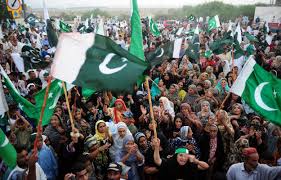
Pakistan is in deep trouble. It is more than the challenge terrorism posed to its integrity. The greater part of its population is already on streets of the country and is protesting against the government for mismanaging an energy crisis that is unrelenting and is worsening day by day. The shortages have crippled industry and led to rioting across Pakistan. Electricity supplies to consumers across the country are often cut for several hours a day because of the power shortfall.
Electricity Shortfall Reaches 6,000 MW
As has been reported in the Dawn, the most circulated paper in Pakistan, on an almost daily basis the current shortfall is touching almost 6 thousand megawatts and the gap between supply and demand is increasing . As seen on Geo, ARY and Aaj TVs, most popular news channels in Pakistan, people look helpless, resourceless and flabbergasted. To give vent to their anger and desperation they come on the streets in hoards braving the terrorist attacks, which are not very uncommon these days.
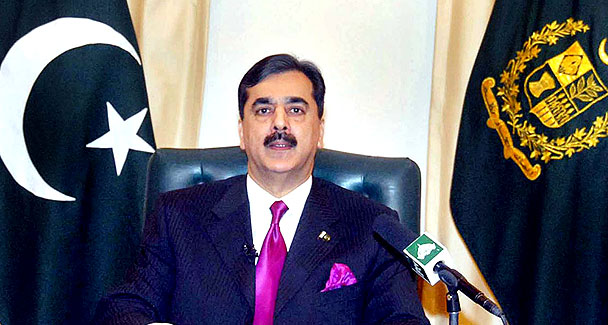
Prime Minister of Pakistan, Syed Yousif Raza Galani, who terribaly failed to come up to nation's expectations
According to Pepco, Pakistan Electric Power Company, as reported inThe Dawn on 18 April 2010 , the total demand was 15,316MW while total generation stood at 10,306MW --- 2,714MW being hydel component, 2,586 thermal and independent power producers chiming in with 5,006MW. Officials of the company, however, conceded in private that the nationwide demand went beyond 16,337MW because of an unusually hot April. The company could not manage more than 10,261MW - leaving a shortfall of 6,070MW.
Prime Minister Takes Steps to Tackle the Energy Crisis
Pakistani Prime Minister Yousuf Raza Gilani on 22 April, 2010 launched a national energy policy to tackle the country's massive power crisis. According to the BBC 'the Measures include extending the official weekend from one to two days, early closure of street markets, and a 50% cut in power to government offices.' Extending the weekend will shorten the working week and so cut electricity use by businesses. Further additional measures that follow are being taken to reduce the gap between demand and supply of the electricity.
Other spartan measures include reduced power supply to Karachi, Pakistan's main port and industrial capital, by 300 MW a day. Marriage halls banned to host all-night wedding parties. Neon signs and brightly-lit billboards are to be banned. Government has promised to supply yearly 116 bn rupees ($1.38bn) to the power sector to help resolve the issue of debt owed to various power producers within the industry.
According to reports appearing in Pakistan media WAPDA , Water and Power Development Authority, a semi autonomous body that manages water and power resources and is at the heart of the problem, officials hope the new measures will save 1,500 MW a day.
Sharp Reaction of MQM over Electricity Saving Measures
A political crisis may be brewing already. The MQM, Muthadda Quomi Movement, United National Movement, coalition partner of the PPP, Pakistan People's Party of slain leader Benazir Bhutto, in Sindh, a province of Pakistan and at Centre, with many minister sat both places, have reacted sharply over the government's decision to reduce the supply of electricity to Karachi, the business hub of Pakistan supply 70 percent of its revenue.
According to the Dawn, condemning the decision of the federal government to restrict the power supply from Wapda to Karachi to a mere 300 megawatts, the Muttahida Qaumi Movement has demanded that the highly controversial decision be withdrawn forthwith.
Speaking at a press conference at the Karachi Press Club on 22 April, 2010, former city Naib Nazim Nasreen Jalil, a member of the MQMs coordination committee, described the curtailment of power supply to the metropolis as an anti-Karachi and anti-Pakistan decision. She warned the federal government to refrain from pushing the commercial and economic hub of the country into darkness.
The US to Help Pakistan Tied Over Energy Crisis
The Dawn reported that in a live Internet discussion, Mr Richard Holbrooke, US special representative to Afghanistan and Pakistan, on 19 April, 2010 assured the people of Pakistan that the United States would go to its absolute limits to help Pakistan overcome the energy crisis.
We are looking for ways we can help Pakistan strengthen itself, strengthen democracy, and help it fight insurgents in the west, he said. We are working with the Pakistani leadership on each of the economic, energy and water issues we can. This is a vast undertaking. he emphasized.
Mr Holbrooke said the international community was in the process of fulfilling the pledges it made to Pakistan at the Tokyo conference two years ago. We want to do more for Pakistan. We have got a whole array of ideas here, he concluded.

Solar energy may rescue Pakistan
A nation let down by its leaders
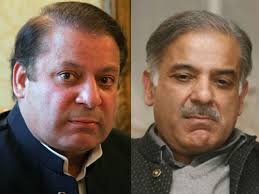
Promisses made, broken: acute example of a terrible leadership